
A year ago, in October 2025, I was in Africa to speak at the wonderful World Nutrition Summit in Cape Town, South Africa. It was a 3-day summit with lots of fun. You don’t travel over 24 hours each way to stay for only 3 days. So my husband and I took a 10-day vacation to Zimbabwe and Botswana after the summit.
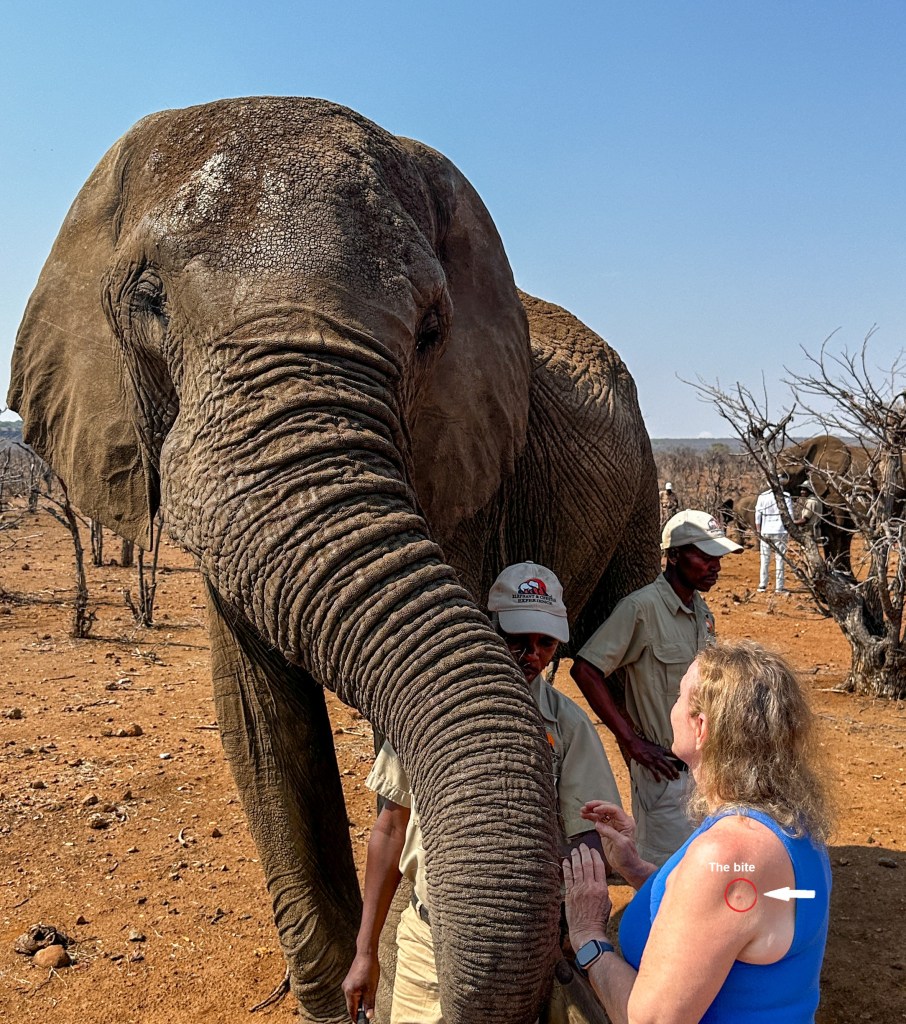
During the last 2-3 days of my two weeks in Africa, I caught a bug of unknown origin. I think a fly bit me. As much as I am mosquito food at home in the US, mosquitoes avoided me in Africa, which was strange. There were at least 50 mosquitoes in our bathroom all the time, but they never ever landed on me. They either were all male or preferred other blood. I was taking malaria prophylaxis, so I wasn’t concerned about catching that. But a large bite was highly visible behind my left shoulder. It didn’t bother me, so I ignored it. I don’t remember when I got it, but I noticed it maybe 2-3 days before we came back home.
The day before the last day in Zimbabwe, one of the most amazing places on this planet, I noticed I had 2-3 pimple-looking things on my chest and neck. I don’t ever have pimples—I didn’t even have any as a teenager, so it was odd for me. They didn’t itch; they were the same color as my skin, maybe a tad redder. The day after this discovery, our last day in Zimbabwe, I woke up with diarrhea and fever, and the number of rashes more than doubled! They weren’t itchy or blistering, just there: chest, front of the neck, and a few on my face. It was the busiest day of the whole trip, so I ignored it—except to make sure I knew where the restrooms were wherever we went. The next morning we started our long trip home. It was an over-26-hour flight, including 3 flights: Zimbabwe to Cape Town, South Africa (3+ hours), to Washington, DC (~17 hours), and to Los Angeles, CA (~6 hours). When I got home, I showered and immediately headed to the ER.

In the ER, they placed me in isolation and after several hours of blood testing and waiting for the exotic infectious diseases department’s response, I was told they had no idea what kind of disorder this was; nothing they tested was positive. Looking back at my tests, they didn’t test for too many things: Ova and parasite, Chikungunya virus, Dengue virus, Typhus, and Rickettsia. Based on my symptoms, these were the right tests; Dengue virus especially matches what I had, but all the tests were negative. The best procedure was to give me a strong broad-spectrum antibiotic that could cure me no matter what I had.
They put me on Cipro (ciprofloxacin) and doxycycline, two strong antibiotics that kill the most dangerous bugs, and prednisone, a corticosteroid drug, to reduce inflammation. The doctor was aware that I had been floxed before, which was on my record, but he told me: “It’s up to you, but without the Cipro you may die.” I’ll never forget that sentence, I think… So I took Cipro.
I was floxed before, about 20 years ago, but the damage was minimal: Achilles Tendon issues that healed within a few weeks, and it really wasn’t such a big deal. I hoped the upcoming injury would be just as simple. But that wasn’t the case.
This time was different; it took me a year to heal to a minimum-satisfactory level, and I am still healing. This tough year taught me a lot about myself and the importance of nutrition, exercise, sleep, supplements, and the right lifestyle. I am sharing what it took me to recover so that, if you ever find yourself in this situation, you can try these too. At a minimum, this article outlines the cause, a timeline, and step-by-step solutions you can try if you get floxed.
I will name supplement brands. Not because I push these specific brands. I don’t get any commissions from any company for anything I write here, so don’t think this is an advertisement page. It’s not. It is simply a post to help you figure out what may work for you when you get floxed. I did a lot of research to choose the supplements I selected, including the brands that provide the best of each.
This article is longer than my usual, but it is customized for those suffering from a debilitating condition.
What “Floxed” Is and What It Feels Like
What It Is
The term “floxed” comes from the fluoroquinolone antibiotic family, which includes some of the strongest broad-spectrum antibiotics that kill both Gram-positive and Gram-negative bacteria. Taking these medications only makes sense when the causative bacteria are unknown, as was my case. The risks associated with these drugs are huge. I personally had contacts who committed the unthinkable and ended their lives because they couldn’t see any chance of recovery. So being floxed isn’t simple, and you shouldn’t brush it aside thinking, “it’s mental.” It may become very serious. The best thing you can do is address it immediately, from multiple angles. Many years ago, I worked hard to get black-box labeling on these products, back when drug companies didn’t want any mention of the problems with this class of antibiotics. You can read up on my efforts at this search link, which links to many articles on the subject.
Being floxed is not a “local” problem. It’s not like a headache or a broken arm, which hurt only where the injury is. When you are floxed, it is a “whole body” thing. It affects every part of the body that has collagen and connective tissue. The biggest damage is “torn” or “melted” collagen and tendon tissue everywhere in your body, including your Achilles Tendon in your feet (this is what is listed on the black-box label and is the most common), but it can affect every joint and disc in your back, legs, shoulders, and even your fingers. Furthermore, you also end up with a ton of dead or dying mitochondria, the little batteries of your body that let you breathe and lift a finger. These dead/dying mitochondria are local to the damaged tissues and also found nearly everywhere else in your body, where quinolone drugs can get in.
Your body is fully inflamed; your minerals—especially magnesium, but many others—are in short supply as your body is literally falling apart. Most floxed find it hard or impossible to even get out of bed. The dead and dying mitochondria pile up, so there isn’t enough ATP, and everything inside your cells becomes inefficient and cluttered.
How Drugs Flox
Here is the list of antibiotics that flox. The name “floxed” comes from the center word “floxa” in all except for one.
- ciprofloxacin (CIPRO, CILOXAN)
- enoxacin (PENETREX)
- levofloxacin (LEVAQUIN)
- moxifloxacin (AVELOX)
- norfloxacin (NOROXIN, CHIBROXIN)
- ofloxacin (FLOXIN, OCUFLOX)
Here are some links to previous articles I wrote on these. Here’s the article I wrote when I got back from Africa, hoping to avoid being floxed. While I couldn’t avoid it, I reduced the damage quite a bit with the precautions I took, as in that article. Why couldn’t I prevent it? When you are also given prednisone (as a pill or by IV) with the “floxa” drug, your chances of being floxed multiply severalfold. And I was given prednisone, so my hopes went out the window.
Because mitochondria are basically bacteria we have a symbiotic relationship with, and antibiotics are meant to kill bacteria, fluoroquinolones can kill or damage the mitochondria. While one may think all antibiotics damage mitochondria, fluoroquinolones are different because of how they attack.
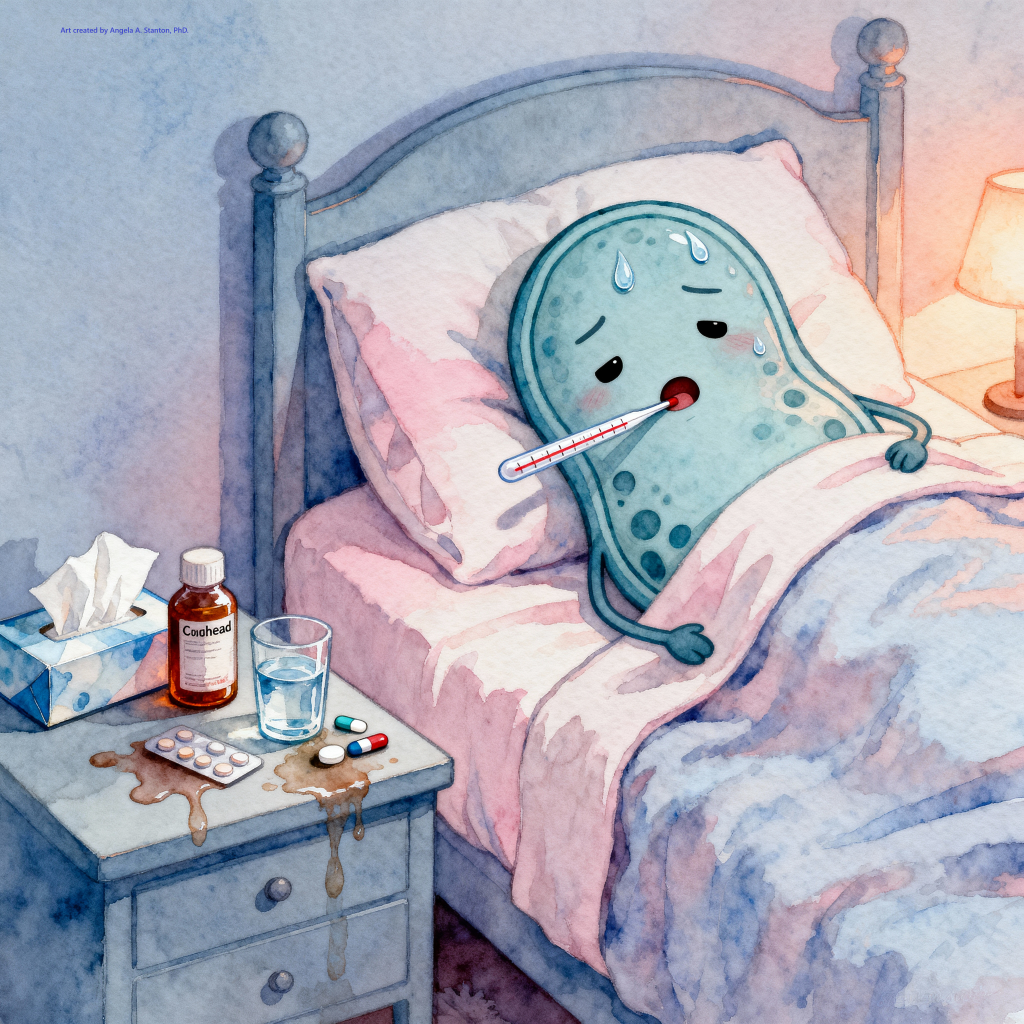
The way the mitochondria get damaged by fluoroquinolones is as follows:
- Bacterial DNA: Cipro works by disabling a bacterial enzyme called DNA gyrase, which uncoils bacterial DNA so it can replicate. The mitochondria use an enzyme called Topoisomerase II to do the same job for mtDNA (mitochondrial DNA). Cipro cannot distinguish between pathogenic bacteria and essential mitochondria. It enters the mitochondria and blocks Topoisomerase II, as it does in all other bacteria, breaking mitochondrial DNA and preventing replication.
- The Oxidative Stress Cycle: Once the mitochondrial DNA is damaged, the mitochondria can no longer produce ATP. Instead, they begin leaking highly reactive oxygen species (ROS). This triggers a cascade of oxidative stress that damages surrounding tissue, leading to the widespread tendon, nerve, and joint pain characteristic of fluoroquinolone toxicity.
Other antibiotics target different cellular mechanisms, are less destructive than fluoroquinolones, and can be targeted better to the specific types of bacteria.
What Being Floxed Feels Like – My Story
It feels like a hot iron pressed over your whole body, with fire ants holding you down so you can’t move. Every step feels like walking on broken glass, with sharp needles sticking up.
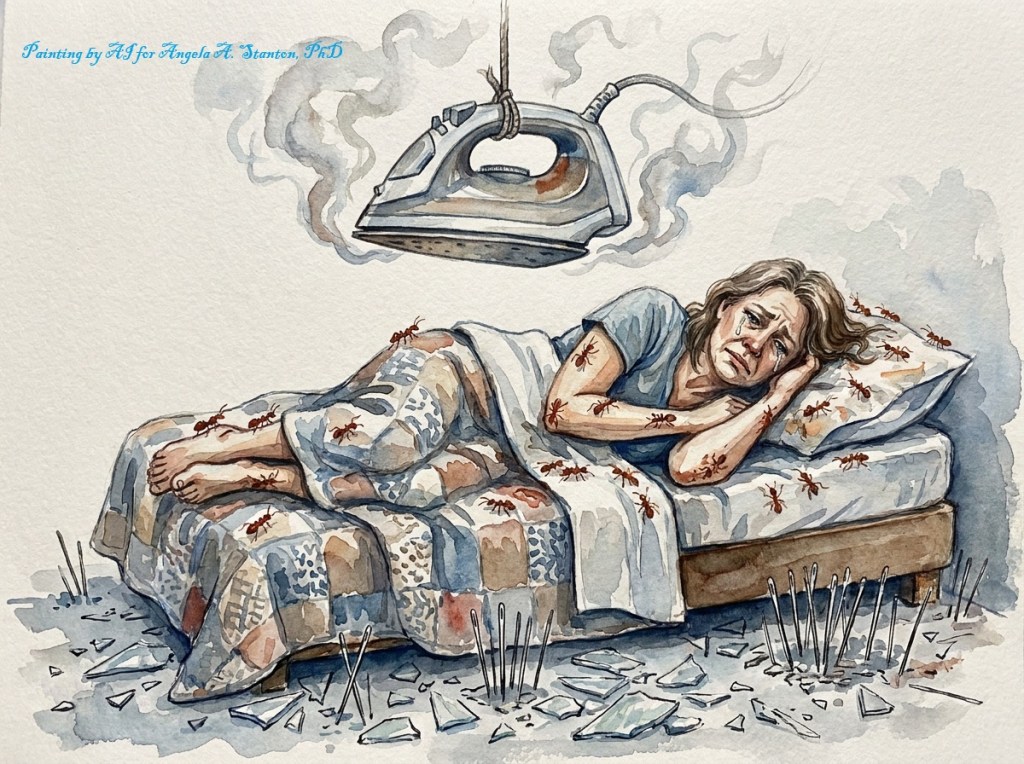
Taking a shower is painful. Doing anything more than that can be impossible.
In my case, my symptoms came on in “layers” and stages, not my whole body at once.
It first showed up as an Achilles Tendon injury. This first stage was the insertion part of the Achilles tendon—the part that covers the back of the heel and goes under your heel as you step on your foot, on both feet, which caused major pain with every single step. Those broken shards and needles standing up in my painting: I felt them under my feet as I walked.
On the MRI, the note said I had “bone marrow inflammation” in the insertion area of my heel. So the damage was not “just” the tendon but also the bone marrow—perhaps because the tendon nearly melted away and I was walking on pure bone.
Stage two was the hip and the lumbar area giving out. My hips never bothered me before, so it was a really strange feeling to feel like I was suddenly 100 years old and could barely walk because of the sharp pain in my hips. The MRI of the hips showed severe collagen damage, basically what looks like I have severe hip osteoarthritis, something I didn’t have before I left for Africa.
In fact, the day we first woke in Zimbabwe, we went for a 5-mile walk around Victoria Falls, and I wore barefoot shoes the whole time, having the best time of my life.

After Cipro, the first 6-8 months, walking was restricted to short distances: car to store and back, kitchen to bedroom… Now, a year after having been floxed, I can manage half a mile without pain, but any more than that and I suffer for 2 days from it.
Floxing affected my collagen everywhere in my body, so I think all my joints, the caps around the discs, and even my back, fingers, and neck were affected.
The third stage started with my lumbar disc slipping out (L1 or L2; I forget which). It is visibly slipped; you can see and feel the bump… the connective tissues failed in that spot.
And the fourth stage is when all my previously injured joints started hurting (this is where I am now). The connective tissues are failing and breaking down everywhere.
These events are very scary because you can’t stop them and you don’t know what will happen next.
The Healing Process
Once you know what hit you, you need a recovery strategy.
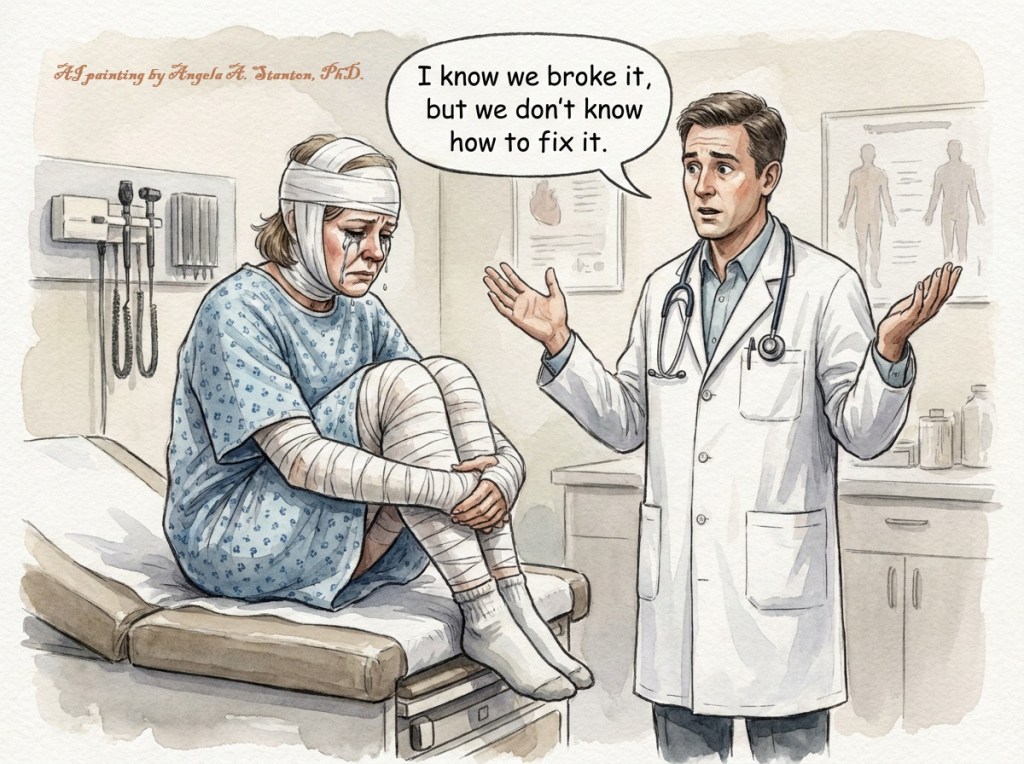
With no established medical treatments, you are on your own, but at least most doctors and medical institutions now know what being floxed is and don’t look at you like you landed from Mars. Since no one can help you and there are no medical treatments, you need to understand the problem in order to start fixing what’s broken. Being floxed isn’t about melting and dissolving connective tissue right under your nose while you watch, although that is what you see and feel. But those are symptoms, not the cause.
The cause is the mitochondria in and around these tissues, which have stopped working because the antibiotics damaged or killed them.
So your primary job is not to make the Achilles tendon feel better, but to work around it, push nutrients back into the tissues that supply it, and help the mitochondria recover or be replaced so they can produce ATP again. The biggest problem is that connective tissues, like the Achilles Tendon and the others in the hip and back, are poorly supplied with mitochondria even when one is healthy. Now, fewer nutrients reach far fewer mitochondria.
So first, find the damaged, dying, or dead mitochondria and replace them with new, working ones! This is easier said than done.
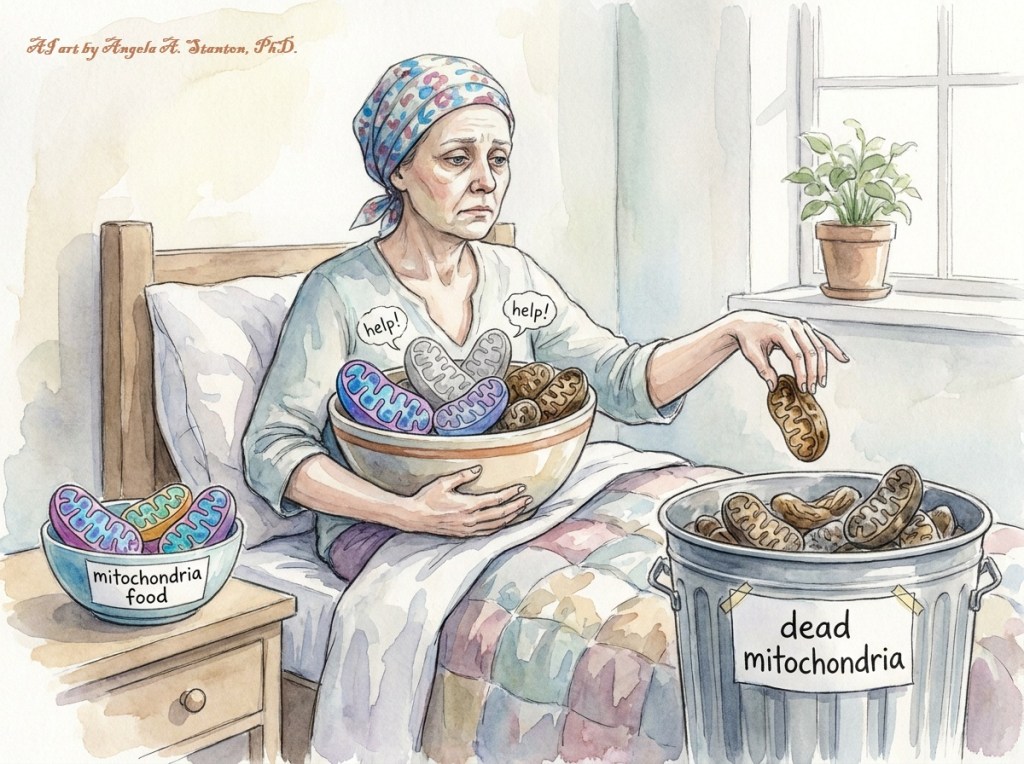
As you push your body to generate new mitochondria, you need to push out the dysfunctional ones. But this doesn’t happen easily. Here are the steps I took to heal. I list all the vitamins/supplements I took and why I took them. I also worked hard to recover through exercise and nutrition, which I detail below.
The Supplements I Took and Why I Took Them
- Urolithin A: It directly triggers mitophagy—the process that clears out the damaged, malfunctioning mitochondria left behind by Cipro and replaces them with fresh, healthy ones. I take Timeline Mitopure.
- NAD+: recharges the mitochondrial cellular engines, directly boosting ATP energy production and accelerating deep cellular DNA repair. I take Tru Niagen
- Magnesium (Citrate, Malate, Taurinate, Glycinate): Fluoroquinolones aggressively chelate (leach/remove) magnesium from the body; replenishing it helps displace lingering toxins, relaxes affected nerves, and repairs cellular energy cycles (especially via malate and taurinate forms). I take Health by Principle – see notes on this brand at the end of the article.
- TTFD B1: This highly bioavailable, fat-soluble form of Thiamine easily crosses cell membranes to penetrate damaged nerve and brain tissues, helping to reverse “flox-induced” neuropathies and severe fatigue. I take Health by Principle – see notes on this brand at the end of the article. This supplement can cause major paradoxical reactions when your body is deficient (read here). When you then start taking the TTFD B1 form, the sudden metabolic activities can amplify certain symptoms. So more is not better!!
- Vitamin B2 (Riboflavin 5-phosphate): As a crucial co-factor for the mitochondrial electron transport chain, this active form of B2 assists in processing fats and carbohydrates into usable cellular energy while protecting cells from oxidative stress. I take Thorne Riboflavin 5-Phosphate. This is the only active form of B2, so a small dose goes a long way.
- Colostrum: Rich in immunoglobulins and growth factors, colostrum helps seal and repair the gut lining—which is heavily compromised by antibiotics—while naturally lowering body-wide systemic inflammation. I take Sovereign Laboratories – see notes on this at the end.
- Creatine Monohydrate (micronized, in capsules): By acting as an immediate backup energy reserve for cells, creatine bypasses damaged mitochondrial pathways to supply instant energy directly to struggling muscle and nerve tissues. It also reduces the need for DNA methylation (creatine synthesis), since I am supplying creatine, so my body needs to produce less. By reducing that massive metabolic workload, it frees up resources. Special note: you have probably heard that if you are on the carnivore diet, you are maxed out on how much creatine your body can absorb and use. I don’t know if that’s true or not, but while you are having floxed issues that come with debilitating tissue damage and struggling DNA methylation, supplementing creatine will reduce your cells’ workload. I take Optimum Nutrition Micronized (micronization is essential, as it reduces the dose you need).
- Collagen: Cipro directly degrades musculoskeletal tissues; supplementing with collagen provides the exact amino acid building blocks your body needs to rebuild damaged tendons, ligaments, and cartilage. Special note: being carnivore and eating a ton of meat isn’t the same as supplementing collagen. While collagen and muscle protein have the same amino acids, their ratios differ, so collagen synthesis follows a different process than muscle protein synthesis. So even if you are on the carnivore diet, like I am, I still recommend you take collagen while you are recovering. I take ALGAECAL Collagen Peptides, FORTIBONE®, FORTIGEL®, VERISOL®, UC-II®. Special note: My hair was also falling out, and taking this collagen stopped that in its tracks, and new hair is growing very strongly.
- Vitamin C: A potent antioxidant that acts as a primary shield against the massive wave of Reactive Oxygen Species (ROS) caused by floxing, while simultaneously serving as a mandatory co-factor for rebuilding strong new collagen. Vitamin C is essential for collagen generation, so it is a must. However, type and dose matter. Do not use liposomal C. Vitamin C is water-soluble, not fat-soluble, and for this use, immediate access is essential. But taking too much is just as bad as taking too little. I take Nature’s Bounty 500 mg ascorbic acid form, only once a day with collagen.
- Coenzyme Q10 (Ubiquinol / “Quinolone”): This vital antioxidant sits directly inside the mitochondrial membrane, neutralizing oxidative stress at the source and revitalizing the cellular energy chain. I take Jarrow QH-Absorb Ubiquinol.
The Process of Healing
There are several steps to healing. When you get floxed, the last thing you want to do is get up and do anything. Even going to the bathroom is a struggle. In this section, I share the steps I took and the order I followed, and I hope this works for you, too.
Step 1: Nutrition
During healing, what you eat and when you eat it matters! The damage that quinolones do to your body may affect many organs. In my case, my hair was falling out, and I gained body fat in all the wrong places, in addition to all the problems I already noted. Be patient; things will improve, provided you eat right.
Because you now need much more nutrition and the easiest access to your cells, you should eat an exclusive animal-based carnivore diet. If you are vegan or vegetarian, I am sorry, but I am not sure supplements alone will help you. The cure really needs an exclusive animal diet.
Why?
Because the nutrients you eat feed mitochondria so they can generate energy (ATP) matters. Mitochondria can pretty much only be fed one type of “food”: acetyl-CoA. But how different substrates (carbs, fat, and protein) are converted to acetyl-CoA depends on what you eat, and here, supplying carbohydrate to the mitochondria brings lots of disadvantages:
- Carbohydrates: Glucose undergoes glycolysis in the cytosol to become pyruvate. Pyruvate enters the mitochondria and is converted into acetyl-CoA.
- Fats: Fatty acids undergo beta-oxidation inside the mitochondria, which chops them up two carbons at a time into acetyl-CoA.
- Proteins: Amino acids (known as ketogenic amino acids, like leucine and lysine) are broken down into acetyl-CoA.
But each conversion comes with different “costs.”
Carbs: The pyruvate process (carb conversion) is an extremely “dirty energy” system but very fast. Think of it as your body’s diesel engine. It generates a ton of reactive oxygen species and heat, and produces less ATP than fat, for example. Burning glucose pays off when someone is in an anaerobic state—such as near-maximum-heart-rate exercise, like a spin class or similar. Glucose can be burned in the cytosol without oxygen, but it generates far fewer ATP molecules than fat.
To be clear, since “carbs” can mean many things, I mean carbs in any form of plant-based food, be it whole foods or junk food. In other words, it’s not just about sugar and ultra-processed foods; all plants are carbs, by definition, including fruits and vegetables.
Fat: Fatty acids are the “clean” fuel, think of electric cars, of the body. Fat burning generates the most ATP, but it is slower than burning glucose and requires oxygen. Because it is slower and generates more ATP, it is actually better for your recovery process. It is easier on the mitochondria.
Protein: When fat or carbs are present, protein isn’t used as fuel, but it’s an important building block for everything that makes up our body. A high-protein diet helps rebuild damaged tissues. To rebuild tissues, you need to synthesize protein. So protein eating is a priority. But all protein you eat should come from animal products. Plant protein always comes with some anti-nutrients, and the last thing we want is to make things harder for our body. Animal protein is nearly 100% bioavailable and is absorbed easily by our gut.
Your food should contain at least as many Calories as you are used to eating to feel full, or more. The goal is to heal, not to lose weight.
Step 2: Supplement timing and mix
Supplement timing matters, as does whether you take it with food and which foods to avoid. Here is what I do:
- Urolithin-A: I take 2 capsules in the morning on an empty stomach
- NAD+: I take one capsule on an empty stomach in the morning
- Magnesium (citrate, malate, taurinate, glycinate): avoid taking it with collagen. I take mine split between lunch and 10 pm. You need all four types of magnesium.
- TTFD B1: this needs to be trained because it can cause a paradox if you are severely deficient. I take 2 capsules a day, one with lunch and one at 10 pm. If you have never taken this before, take no more than one 50 mg capsule a day to start with.
- B2: I take one with lunch and one at 10 pm
- Colostrum: I take 2 with lunch and 2 at 10 pm. Don’t take this with collagen.
- Creatine Monohydrate: I take 1 capsule in the morning, at lunch, and at 10 pm
- Collagen: first thing in the morning on an empty stomach—it is important to avoid dairy, magnesium, colostrum, or any other substance that may affect absorption.
- Vitamin C: morning with the collagen
- Quinolone: lunchtime
Step 3: Can you sleep?
Sleeping may be hard, or maybe sleeping is all you can do. I found that while I had no problems with sleeping, the sleeping position caused considerable pain and nerve “knocking” and “vibration” that didn’t let me sleep. These sensations are medically referred to as radiculopathy. You may not have this. I can’t tell if this is because of my long-ago injury in my lumbar area (L4-L5), where a cyst blew up 15-20 years ago and had me sleep seated in my computer chair for 2 months because I could not lie down, and now the collagen trouble reached those discs, or because of the new slip of the L1-L2 discs as a result of being floxed. It is a really odd feeling.
The “knocking” feels like the nerve is trying to get out of a situation, so it is doing some sort of signal procedure to free itself from its confinement. Nerves can move a millimeter or more a day, and so I suppose they try to get out of the pickle. But it’s like someone tapping your shoulders day and night and not letting you rest peacefully; this constant knocking/vibrating becomes irritatingly “loud” without a voice. If you feel this too, it is a sign you need to change position and find one where it stops. It can take time to find that position, but you can always find one.
The Bed
It took me quite some time to figure out what I need to do to get some quality sleep. I ended up with an amazing pillow setup that supports different parts of my body in different ways, reduces the knocking and vibration, and lets me stay in that position all night without issue. This will be different for everyone, but here is my pillow-covered-bed setup to get your imagination started:
I stack pillows behind my back in a step-like fashion. These are rectangular pillows: 2 are PillowCube pillows, and one is a contour memory-foam pillow. These pillows are layered to move like one, and you can set it to any position. It sort of mimics a La-Z-Boy. I have 3 other pillows… a small square firm pillow right at the end of my buttocks as I lie down in the semi-seated position. This tilts my pelvis up and forces my lower back down into the bed as flat as possible—this prevents a large part of the knocking. On top of this, I put a neck roll pillow under my knees, so my legs aren’t straight while I sleep. This takes pressure off my hips and lower back. The last pillow is a half-neck-roll under my ankles, letting the insertion part of the Achilles tendon hang freely and not touch anything. This alone, I think, accelerated my Achilles tendon recovery the most.
Amazingly, in this position I seem to sleep perfectly, often not waking up for anything, not even urination. This is where I connect it to the importance of proper hydration.
Step 4: Hydration
Although you might think hydration is simple- just drink water- it is incorrect. Water doesn’t hydrate, because the blood (where hydration goes) isn’t water; it’s an electrolyte solution with water. It contains key minerals, such as sodium chloride, potassium, magnesium, calcium, and other metals and minerals. When you drink only water, you add water to your blood and dilute the electrolyte concentration. When your blood gets diluted like that, your body needs to remove (urinate out) the excess water, and this is why many people urinate so frequently. This is also the main reason why people get up to pee at night. Many people cut back on drinking before sleep, but that is totally the wrong thing to do. Instead, drinking water with salt right before you sleep will keep you hydrated all night without needing to urinate. I take salt in capsules with every 8 oz (240 ml) cup of water. It will take a few days for your kidneys to get used to the salt you take with water.
During the day too, instead of drinking just water, add salt (or take salt in capsules or pills) to your water. And before you even ask: no, it won’t increase your blood pressure. I wrote several articles on this, and you should read this academic article as well. Don’t add potassium or other minerals; add only salt.
Step 5: Exercise
Exercise is extremely important! But not just any exercise. I recommend weight training. I have been lifting for years, very heavy weights for my age. I needed to change the positions I used for the various lifts. Now every lifting position is supported by the bench, and I removed some exercises, such as RDL (because of the bending down). I don’t pick up any weights from the floor now because that pulls on the lower back and hips, the areas most affected after the Achilles Tendons. So every exercise is supported by the bench, either from the front or the back, meaning I lie face up or face down while the bench is at various angles. I work with a super capable trainer who knows a variety of alternate positions I can safely lift in.
I also reduced the weights at the beginning, but by now I am back to my old weights, and in some cases I am already at a personal record, such as 140 lbs (~64 kg) in seated row and pull-down, which for the age of 73 is pretty good, given all these injuries.
I also manage to walk a few times a week, but that is very much “hip-dependent”. Some days my hips lock so badly that walking isn’t possible, but other days it is fine. So pay attention to your body and do what feels right. Don’t push hard because that’s just going to get you injured.
One more important point on exercise: because floxing takes a lot of your magnesium out of your system, if you get massive cramps from specific muscle movements—like my adductors can cramp up bad from simply holding a yoga block and pressing on it for glute strengthening—that calls for taking a small 100 mg magnesium right there and then—I recommend magnesium malate or orotate because these two are specific to muscle function and recovery, respectively.
Step 6: Shoes
If you end up with Achilles tendon damage, your orthopedist will tell you to elevate your heels a bit and get very cushy heeled sport shoes.
DON’T!!!
I think this was the stupidest recommendation my doctors gave me—and if you search Google or any other AI, I am sure you will get this recommendation too. But it leads to trouble and discomfort!
The elevated, cushiony heels changed my body position and weight distribution because, for the past 2++ years, I have been wearing barefoot shoes with zero drop! So, feet flat on the floor/ground with the thinnest sole, zero cushion. Changing from barefoot to slightly elevated heels caused an imbalance, so it wasn’t even safe, let alone comfortable. It actually increased my pain.
Instead, I went back to barefoot shoes, but I started wearing a high-top lace-up design and added a very soft, thin, flexible support insole and low heel padding.
The shoes: Sisttke Women’s Wrestling Shoes Boxing Shoe
The amazing insoles: 4D Cloud-Soft Comfort Soles from memory foam
The awesome heel padding: BloomLab Gel Heel Cups
Within days of switching to these, I could walk pain-free.
Conclusion:
Healing from being floxed is hard but not impossible—I am not fully healed yet, but I can tell I am healing, and there is so little to go for full recovery compared with where I came from. With that said, since this is my second time being floxed, I don’t see how a third time would ever be possible without permanent damage.
*Special notes
I design supplements for my own use. I design them, and I have a company (Health by Principle) order them from local laboratories and stock them for me. This partnership (my older son’s company) started when I discovered my migraines responded to salt, but I couldn’t swallow it. Salt is an emetic and can make people vomit. I could be a model for this event. I needed salt in capsules, but back then the only one sold like that had bicarbonate (acid reducer) added in, which ended up causing me heartburn. So I designed my own salt supplement and was ready to order it from a local lab. But the minimum order would last my lifetime and then some, so I permitted the company to keep in stock what I need and sell the rest to the public. This is how this supplement company was born.
I don’t earn any royalties or commissions from them; I simply get my supplements always in stock. The products I initially designed were for migraine, and they are now used by many migraine sufferers around the world. So far, I have only designed supplements for myself. But most of their products, such as TTFD B1, magnesium, B2, and D3, aren’t migraine-specific, so thousands of people buy these products because this company is reliable, trustworthy, made under my design and oversight, and produced in FDA-inspected labs in the USA. I keep designing new products for them that I find useful. My latest product is a liposomal colostrum, coming soon. When it is released, I will update you.
Comments are welcome, as always, and are censored for appropriateness,
Angela


