
The Story of Covid-19
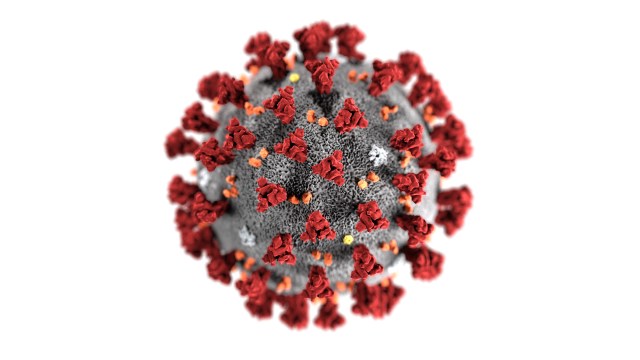
Over the past several months, there have been many guesses about a new virus, Sars-Cov-2 (SC2). Research and some publications (academic, pre-prints, and blogs) have suggested various hypotheses. The prominent issue to be explained properly was the puzzle of hypoxia (lack of sufficient oxygen) that manifested in an unusual way: often the sick were still chatting away happily while their oxygen saturation dropped to dangerous lows. This later came to be known as happy hypoxics because with the level of hypoxia they showed, they should have been incomprehensible or unconscious, and not be walking and chatting with doctors or with friends on the phone. Yet they were and this was never seen before.
While most medical facilities rushed to judgment and labelled the hypoxia as ARDS and caused by pneumonia, the symptoms didn’t quite fit the diagnosis. Pneumonia usually starts as unilateral viral, taking on one of the lungs and not both. Later it may become bilateral as it turns to bacterial. However, regardless whether it is viral or bacterial, cough with heavy phlegm and sputum is strongly associated with pneumonia. Yet in the case of Covid-19, the cough is unproductive and dry. It is nothing like pneumonia.
ARDS seemed more on target with the symptoms, except for the big difference that in the case of ARDS, the patient is not talking, walking, happy hypoxic, but is barely conscious. So nothing we knew as a “disease” fit the bill as Covid-19 took hold. Ventilators clearly weren’t helping. Most patients on ventilators died–some hospitals reporting an astronomical, over 80%, death-rates of those placed on ventilators.
There were lots of discussions about hemoglobin and how the virus somehow takes hemoglobin out of the red blood cells; discussions about too many red blood cells plugging up the whole body and circulation, and other similar points of views. Then, all of a sudden some doctors discovered that many patients suffered blood clotting problems. This article still discusses lung problems and coagulation as two different problems. This article discusses the clotting in the lungs as pulmonary embolism, as if it were distinct from Covid-19. And here we can see the first signs of actual understanding. Indeed, when we talk about coagulation of the blood, we need to look at what is causing the blood clotting, where in the body, and how. Crucially, kidney failure was starting to become frequent and dialysis machines started to clog up with the platelets, which formed the blood clots. What was happening?





 Clueless Doctors & Scientists