
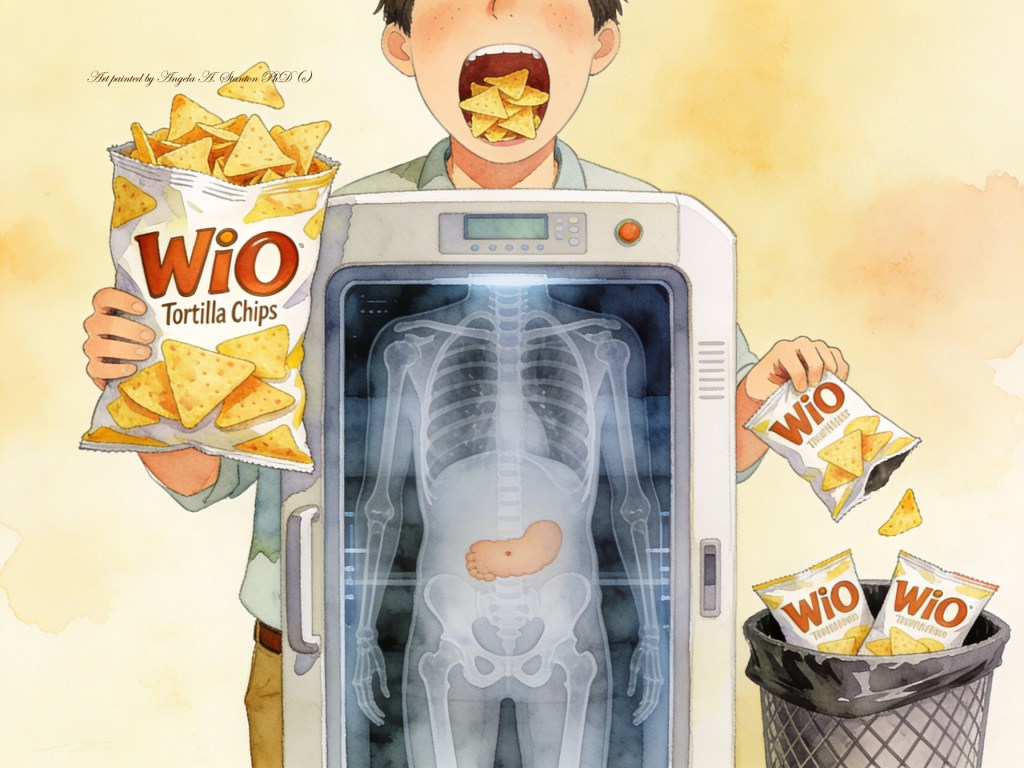
Art created by Angela A. Stanton, PhD. ©
Here is a product that hit my junk bin on social media, which I found very curious (and quite disgusting) upon further examination. It is now added to my top-of-the-line junk foods list to be avoided!
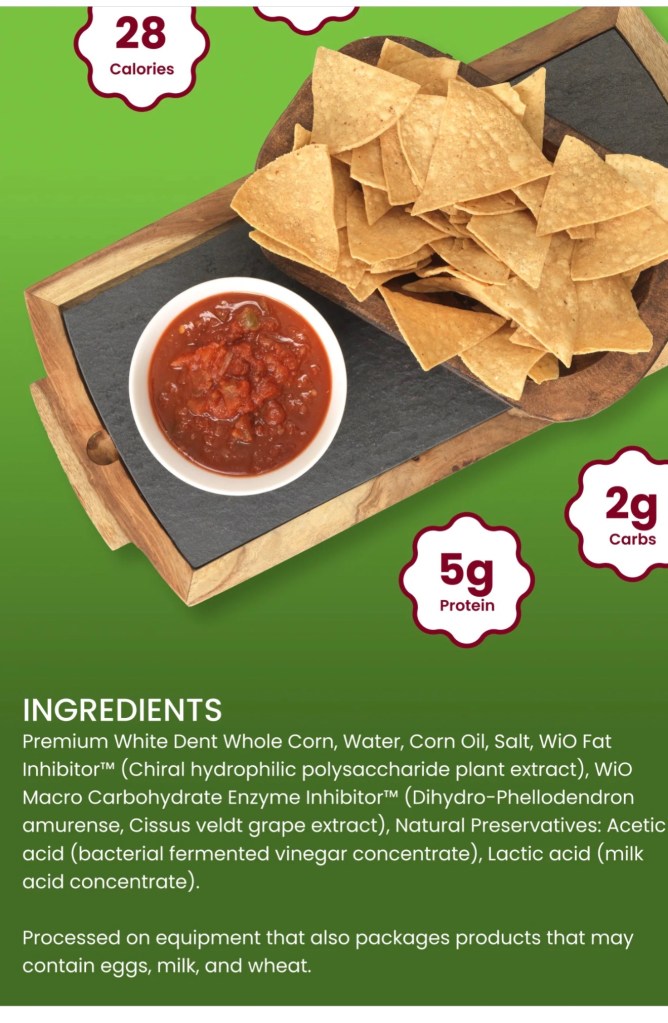
WiO Tortilla Chips
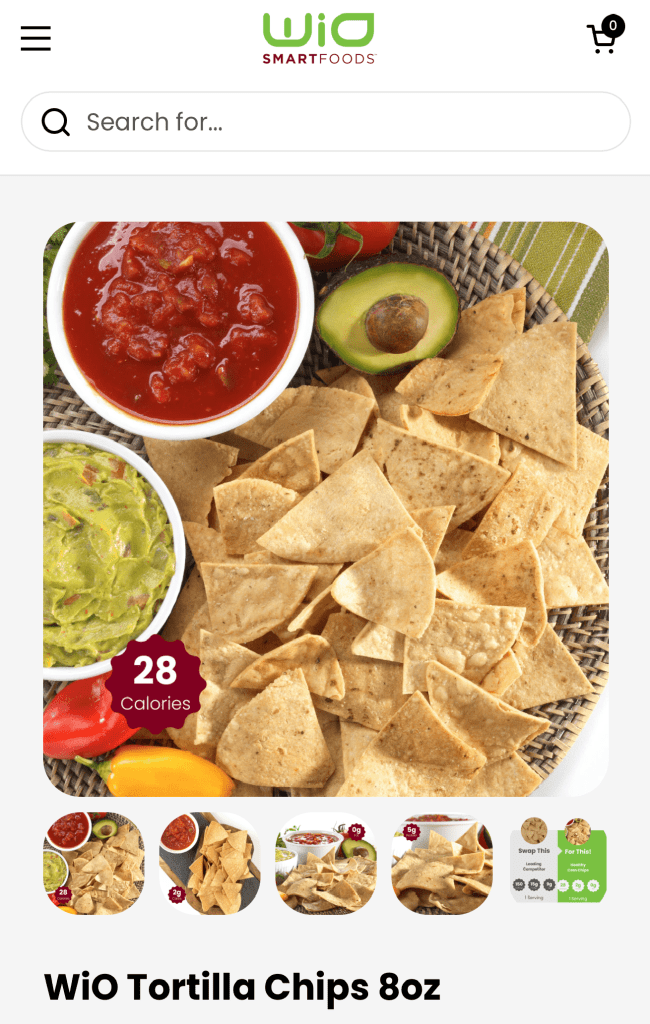
Take a look at the advertisement: No artificial colors. No added sugars, no erythritol, no preservatives, no artificial colors, and no synthetics.
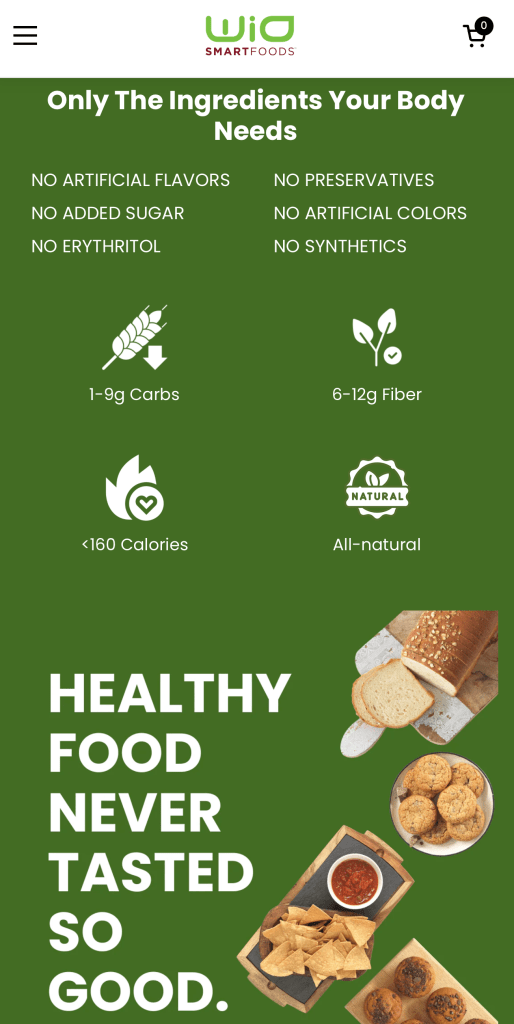
But the entire product is fake!!
And they refer to this as Healthy Food!
In the following, I explore what this product is made from, and the major problems with it. But before I even start, here is the biggest problem of it all:
Fake Calories? Or Fake Accounting of Calories?
Calories are not determined by what the body absorbs — they are determined by what the company claims is metabolizable. This creates a loophole that companies exploit.
Normal tortilla chips: ~140 Calories
WiO chips claimed: 28 Calories
Actual metabolic energy (rough estimate): possibly 60–100 Calories depending on fermentation and your gut health. It simply outsourced the full digestion to your gut bacteria instead of your pancreas. If your gut flora is healthy, it will generate butyrate, a short-chain fatty acid that coats the colon walls inside preventing food and fecal matter from coming back inside, and the colon cells (colonocytes) use these butyrates as energy. So the Caloric content of all these starches and fats that are supposedly zero, may not be close to zero at all.
In any case, let’s move on to the rest of the claims.
What is WiO Corn Tortilla Chip?
First, let’s agree on one thing: corn tortilla is not a “health” food per se. It is:
- Nutritionally poor
- High glycemic load (full of starch)
- Commonly used to fatten livestock
- Lots of antinutrients!
Even if you grind your own self-grown corn, press your own corn oil, and bake it yourself: it is still not a health food. Corn is used to fatten up animals (just like oats). Here is the list of antinutrients in corn:
- Phytic Acid (Phytate): The main antinutrient, it acts as a phosphorus store in kernels but inhibits mineral bioavailability.
- Tannins & Polyphenols: These can reduce protein digestibility and mineral bioavailability
- Lectins: Proteins that, in high amounts, might contribute to digestive issues like “leaky gut”, meaning it may interfere with digestion or intestinal barrier function in some contexts.
So no matter how you make it: corn tortilla is NOT A HEALTH FOOOD!
Now that I got this out (and it was painful because corn is my most favorite thing to munch on… it is highly addictive ☹).
It follows that whatever you make primarily out of corn, will also not be health food.
Thus this product starts with a serious handicap in that there is nothing healthy about corn or anything made from corn. But let’s see what this company did to corn chips that makes it different—and I argue that it made it into a dangerous junk food to be avoided far and wide.
Claim to Fame: The Calories Trick
The company advertises the reduction of Calories as a result of two trademarked products, which block the digestion and/or metabolic absorption of pretty much the product itself. I grabbed a few tortilla chip product nutrition label details so I can compare and show you what they did:
Corn Chips Nutrition Label Details (per 28 gr serving):
| Product | Total carbs (g) | Fiber (g) | Net carbs (g) | Fat (g) | Protein (g) | Calories |
| Tostitos | 19 | 1 | 18 | 7 | 2 | 140 |
| Mission | 18 | 2 | 16 | 7 | 2 | 140 |
| Santitas | 20 | 1 | 19 | 6 | 2 | 140 |
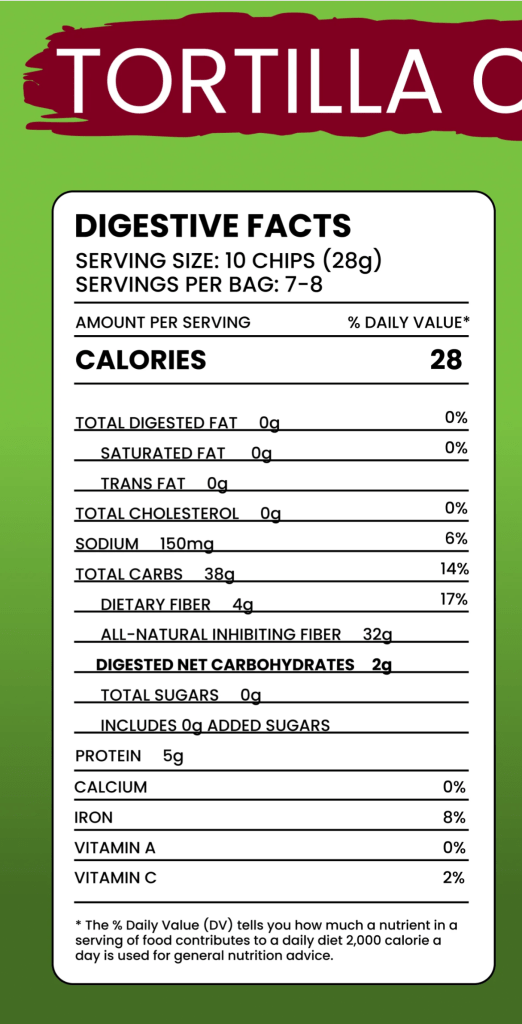
| WIO | 38 | 4 | 2 | 0* | 5 | 28 |
*The original fat amount used to bake the chips is missing from the package! Yet the list of ingredients includes added fat—absorbed or not, it should be listed, just like the carbs. The ingredients are: “Premium white dent whole corn, water, corn oil, salt, WiO Fat Inhibitor™ (Chiral hydrophilic polysaccharide plant extract), WiO Macro Carbohydrate Enzyme Inhibitor™ (Dihydro-Phellodendron amurense, Cissus veldt grape extract), Natural Preservatives: Acetic acid (bacterial fermented vinegar concentrate), Lactic acid (milk acid concentrate).
Since the original carbs are listed on the on the label (38 g) with net carbs (the digested carbs amount) (2 g), I would have expected to see the original fat amount (X g) and then the presumed digested fat portion (0 g).
The Tricksters: The Magic of Eating “Nothing”
The calorie reduction claim in this product is coming from blocking the digestion of nearly the whole product. The two “WiO” additives are designed to block digestion and absorption of both fat and carbohydrates. These are also the most problematic (and dangerous) ingredients on the list.
- WiO Fat Inhibitor™ (chiral hydrophilic polysaccharide plant extract)
This is essentially a fiber-like polymer designed to bind dietary fat in the intestine so that the fat cannot be absorbed. It works differently but somewhat conceptually behaving like an older fat-blocking product you may remember: Olestra, which caused severe diarrhea. While the company claims that their product doesn’t behave like Olestra did, this is yet to be seen and proven.
a. The substances inhibited are bile acids, cholesterol, and also toxic products and heavy metals. Some of these may be beneficial—such as getting rid of the right kinds of heavy metals, such as lead and mercury, but iron, zinc, aluminum, chromium, and copper are also all heavy metals are essential minerals, and these are best left in us and not removed.
b. These complex carbohydrates, in addition to binding fat, they also interact with bacteria, enzymes, and mineral ions, aiding in detoxification and the modulation of the gut microbiota, which may be good if you have a lot of toxins in your gut but maybe not so good if it clears out your gut flora when it is healthy.
c. Normally about 95% of bile acids are recycled through the enterohepatic circulation. If fiber binds them, recycling is reduced and the liver must synthesize new bile acids from cholesterol. This can cause potential issues in people with existing liver or gallbladder disease (and yet, they are the most likely to want to use this product).
Concerns:
The biggest concerns with WiO Fat Inhibitor™ are as follows:
• Fat malabsorption – the fat passes into the colon—a place it should not be found.
• Since fat doesn’t absorb, there is a loss of fat-soluble vitamins A, D3, E, K2.
• GI distress most likely considerable: gas, bloating, oily stool, or diarrhea (like with Olestra).
This ingredient is not something humans ever consumed as food; it is deliberately designed to manipulate the food you ate in such a way as if you had eaten nothing.
My questions is this:
If you don’t want to have food in your stomach, why put food into your stomach?
You either eat for a reason: hungry, taste, whatever… Or just don’t eat.
Don’t “pretend” to not eat when you are eating!
Now for part 2 of the product:
2. WiO Macro Carbohydrate Enzyme Inhibitor™ (Dihydro-Phellodendron amurense, Cissus veldt grape extract): This is a digestive enzyme inhibitor to reduce the breakdown of starch into glucose. It inhibits amylase or other carbohydrate-digesting enzymes.
Concerns:
The product, Dihydro-Phellodendron amurense and Cissus veldt grape extract, prevent the absorption of carbohydrates by slowing starch digestion in the small intestine. Partially digested starch fragments move downstream, some of which reach the colon.
Simple sugars (glucose, fructose) are absorbed extremely efficiently in the upper small intestine via transporters such as SGLT1 and GLUT5. So simple sugars aren’t affected by this product at all, only starches.
So the scenario is:
- Resistant starch and oligosaccharides reach the colon.
- Gut microbes ferment them.
- This can increase gas and short-chain fatty acid production.
A second effect is also possible with Phellodendron extracts: they contain antimicrobial alkaloids that can alter the microbiome itself, which may change how those carbohydrates are fermented.
3. Corn oil
An undesirable vegetable oil, very high in omega-6 linoleic acid and is a typical industrial seed oil used in fried snack foods. It is already stale and inflammatory, rancid, and oxidized before you even open the bottle.
4. “Natural preservatives” (acetic acid and lactic acid)
These are the least concerning ingredients. They are common food acids used to control microbial growth.
Conclusion:
What kind of a sci-fi horror movie is this where you eat something to have eaten nothing?
Enjoy eating a piece of paper if you must!
It is safer for you than this disappearing corn tortilla chip is!
As always, comments are welcome and are moderated for appropriateness.
Angela


 Clueless Doctors & Scientists